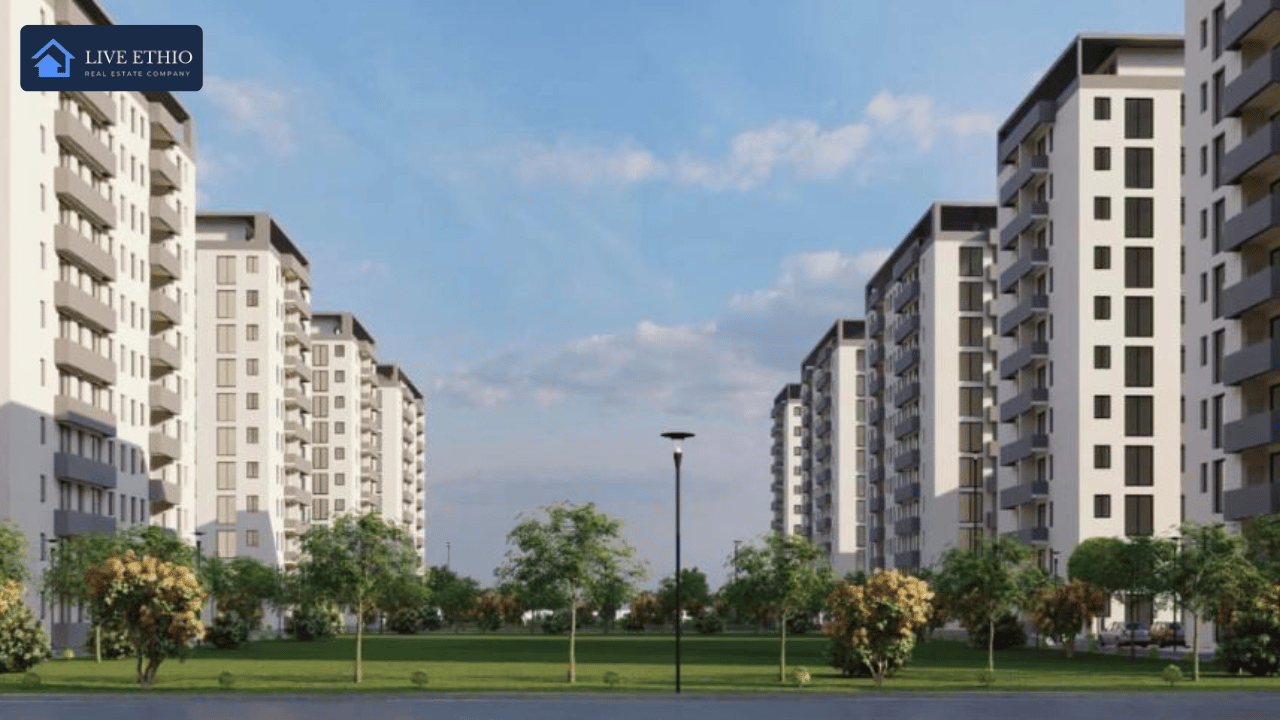
Choosing between a 20/80 and a 40/60 condominium in Addis Ababa requires more than comparing the numbers. The two housing schemes were designed around different down-payment and financing structures, which can affect affordability and the type of property buyers consider. However, if you are purchasing a completed condominium from an existing owner, the property's current market price, outstanding loan balance, documentation and transfer eligibility are just as important as the original scheme. In this guide, Live Ethio explains the differences between 20/80 and 40/60 condominiums, how their payment structures worked, what buyers should consider when comparing properties, and how to approach a condominium purchase in Addis Ababa in 2026.
What Is a 20/80 Condominium?
A 20/80 condominium is associated with a government-supported housing scheme in Addis Ababa in which the original financing structure generally required beneficiaries to contribute 20% of the property's cost, with the remaining 80% financed through a housing loan arrangement. The scheme was developed to help eligible households access homeownership without having to pay the full cost of a property upfront. Instead of saving the entire purchase price before acquiring a home, beneficiaries could make the required initial contribution and finance the remaining amount through the applicable loan arrangement. Many 20/80 condominiums are located in residential developments across Addis Ababa. Depending on the specific property, buyers may find different apartment sizes, bedroom configurations, building conditions and levels of access to transportation and other services. Today, however, not every 20/80 condominium available on the market is being sold under its original government allocation arrangement. Some completed units are offered by existing owners through the resale market. For these properties, the current asking price and the legal and financial status of the unit need to be examined separately from the original payment scheme.
What Is a 40/60 Condominium?
A 40/60 condominium is another government-supported housing scheme associated with Addis Ababa's condominium development program. Under its original financing structure, beneficiaries generally contributed 40% of the property's cost, while the remaining 60% was covered through a loan arrangement. Compared with the original 20/80 structure, the 40/60 scheme required a larger initial contribution. It was associated with a different financing arrangement and a range of housing units, including larger apartment configurations. Like 20/80 condominiums, 40/60 properties can now appear on the resale market. Their current prices depend on factors such as location, floor area, condition, demand, documentation and the status of any outstanding loan. It is important to distinguish between the original government-program price and today's resale price. A condominium that was originally allocated at a particular price may now be offered at a substantially different amount. The original financing percentage does not, by itself, establish the property's current market value.
20/80 vs. 40/60 Condominiums: What Is the Difference?
The main difference between the two schemes is their original financing structure. The figures refer to the proportions of the property cost that beneficiaries were expected to contribute and finance, rather than a guaranteed difference in today's resale prices.

Are 20/80 Condominiums Cheaper Than 40/60 Condominiums?
Not necessarily. The original financing percentage is only one part of the comparison, and it does not determine the current market value of a completed unit. Several factors can explain why two condominiums have different asking prices:
Location: Properties with convenient access to workplaces, public transportation, schools, shops and major roads may attract different levels of demand.
Apartment size: A larger apartment generally has a higher total asking price than a smaller unit, although the price per square meter can vary.
Condition and finishing: Renovated flooring, kitchens, bathrooms, windows and doors can influence how buyers assess a property's value.
Building facilities: Elevator availability, parking, water supply, security and maintenance can affect a property's appeal.
Outstanding financial obligations: A buyer needs to understand whether a loan remains unpaid and how any outstanding obligations affect the proposed transaction.
Documentation and transfer eligibility: The property's legal status and eligibility for transfer must be established before a buyer proceeds.
For this reason, compare properties with similar floor areas, bedroom counts, locations and conditions. Reviewing the price per square meter alongside the total asking price can also help you assess whether a property is competitively priced.
Can You Buy a 20/80 or 40/60 Condominium on the Resale Market?
Yes, some completed 20/80 and 40/60 condominiums are offered for resale by existing owners. However, buyers should not assume that every unit can be transferred under the same conditions. A resale transaction may involve different documentation, loan arrangements and administrative requirements from the original government allocation process. The conditions applicable to a particular property must therefore be confirmed before any payment is made. Before agreeing to purchase a condominium, establish who legally owns the property, whether the unit is eligible for transfer, and whether there are any restrictions or outstanding financial obligations. If a seller claims that a condominium has been fully paid off, ask for appropriate supporting documentation. If a loan remains outstanding, clarify the settlement process with the relevant institution and confirm how the transaction will be completed. Do not rely solely on a seller's verbal assurance or the fact that the property has been occupied for several years. A property viewing is useful, but it does not replace verification of ownership and transfer documentation.
What Should You Check Before Buying a Condominium in Addis Ababa?
Whether you are considering a 20/80 or a 40/60 condominium, use the following checklist to assess the property before making a commitment.
1. Verify Ownership and Legal Documentation
Confirm the seller's ownership and review the documents required for a lawful transfer. Verify the property's status with the relevant authority and obtain professional assistance if any document or ownership claim is unclear.
2. Check the Outstanding Loan Balance
Ask whether the original housing loan has been fully settled. If there is an outstanding balance, determine how it will be handled and whether the proposed transfer is permitted under the applicable rules.
3. Confirm the Actual Floor Area
Compare the documented floor area with the information provided in the listing. This is particularly important when comparing the asking prices of two apartments that appear similar.
4. Inspect the Apartment and Common Areas
Look at the condition of the floors, walls, plumbing, electrical installations, doors and windows. Also inspect shared spaces, staircases, elevators where available, parking areas and the general maintenance of the building.
5. Assess the Location
Consider your daily travel requirements and the availability of transport, shops, schools, healthcare services and other essential facilities. A lower asking price may be less attractive if the location creates substantial additional costs or inconvenience.
6. Calculate the Full Purchase Cost
Do not base your budget on the asking price alone. Ask about applicable transfer charges, administrative costs, outstanding fees, repairs and other expenses associated with the transaction. Confirm which charges apply to your specific purchase before budgeting for them.
7. Confirm Transfer Requirements Before Paying
Check the current rules and procedures that apply to the particular condominium. Avoid making a substantial payment before the property's ownership, financial status and transfer eligibility have been adequately verified.
Is a 20/80 or 40/60 Condominium a Good Investment?
Either type may be worth considering, but the original scheme should not be the only factor in your decision. If you intend to live in the property, prioritize affordability, location, the apartment's condition and its suitability for your household. Consider whether the property meets your needs over the long term and whether you can comfortably manage the purchase and ongoing maintenance costs. If you intend to rent the property out, investigate rental demand in the specific neighborhood, the condition of the building, potential maintenance expenses and the realistic rent that comparable properties achieve. A property with a lower purchase price is not automatically a better investment if it is difficult to rent or requires substantial repairs.
For buyers considering resale or future appreciation, examine the property's documentation, transfer eligibility and local market demand. Do not assume that a condominium will appreciate at a particular rate simply because it belongs to a specific housing scheme.The best decision comes from evaluating the individual property, its total cost and your financial goals not from the 20/80 or 40/60 label alone.
Where Can You Find Condominiums for Sale in Addis Ababa?
If you are looking for a condominium for sale in Addis Ababa, compare available properties by location, price, floor area, number of bedrooms and overall condition. These details can help you narrow your search and identify units that fit your budget and requirements. Live Ethio Real Estate Consulting helps buyers explore property options across Addis Ababa. You can browse our condominium listings to compare available properties and contact our team for further information about a unit that interests you. Before making a final decision, confirm the asking price, ownership documents, outstanding loan obligations and transfer eligibility of the specific property.
The main difference between 20/80 and 40/60 condominiums in Addis Ababa lies in their original financing structures: the 20/80 scheme generally required a 20% contribution, while the 40/60 scheme generally required a 40% contribution. These percentages explain the original payment arrangements, but they do not determine the current resale price or guarantee that one type of condominium is more affordable today. If you are buying a completed unit, compare properties based on their current prices, size, location, condition, documentation and financial obligations. Verify the relevant transfer requirements before paying, and evaluate the full cost of ownership rather than focusing on the original housing scheme alone. A careful comparison will help you make a more informed decision when searching for a condominium in Addis Ababa.