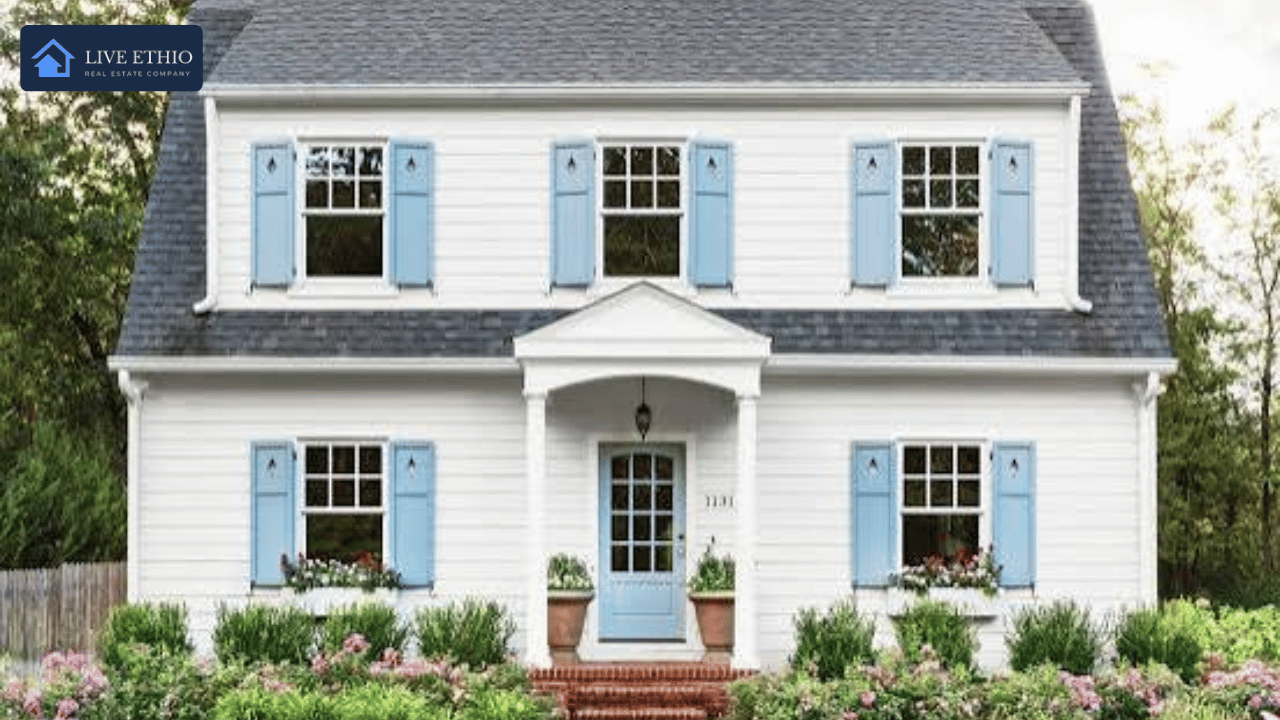
Buying a house for sale in Addis Ababa involves more than paying the agreed property price. Buyers should also plan for potential property transfer and registration fees, legal services, inspections, renovations, utility connections, and ongoing maintenance. Understanding these additional expenses before purchasing a house can help you set a realistic budget and avoid unexpected financial pressure. Whether you are buying a villa, a detached house, a G+1 property, or a house in a residential compound, the total cost will depend on the property's condition, documentation, transaction structure, and your plans for the property.
1. Property Transfer and Registration Fees
One of the first expenses to investigate when buying a house in Addis Ababa is the cost of transferring and registering the property in your name. The transaction may involve applicable government fees, taxes, document authentication, and registration charges. The exact amounts depend on the transaction and the applicable rules, so buyers should confirm the current requirements with the relevant land registration authority before finalizing the purchase. The Addis Ababa City Administration Landholding Registration and Information Agency provides guidance on property-transfer registration requirements, including identification, property documentation, and payment of applicable service fees. Do not assume that these expenses are included in the advertised price. Ask the seller or your real estate representative to clarify which costs are payable by each party.
2. Legal Assistance and Document Verification
Before purchasing a house, it is important to verify that the seller has the legal authority to complete the transaction and that the property's documents are in order.
Depending on the property, you may need professional assistance to review ownership documents, confirm the seller's identity and authority, examine the sale agreement, and identify potential disputes or restrictions.
Legal and document-verification expenses may include:
- Reviewing the property's ownership and registration documents
- Preparing or reviewing the sale agreement
- Verifying the seller's authority to sell
- Checking for outstanding obligations or disputes
- Obtaining necessary clearances and authenticated documents
These checks are especially important when purchasing a house with complex ownership history, inherited property, multiple owners, or documents that require clarification. Avoid paying the full purchase price before the required documentation and transfer process have been properly verified.
3. Property Inspection and Valuation
A house may look attractive during a viewing but still have problems that are expensive to repair. Consider arranging an independent inspection before committing to the purchase. Depending on the property, an inspection may identify problems with the roof, foundation, walls, plumbing, electrical systems, drainage, or other structural and functional elements. You may also want an independent valuation to help assess whether the asking price is reasonable compared with similar properties in the area.
For older houses, villas, and G+1 properties, pay particular attention to structural condition, water damage, cracks, electrical safety, and the quality of previous renovations. The cost of an inspection or valuation is usually easier to plan for than an unexpected major repair after purchasing the house.
4. Renovation and Repairs
Some houses in Addis Ababa require renovation before they are ready to occupy. Others may be usable immediately but still need improvements to suit the buyer's preferences. Possible renovation expenses include repainting, repairing bathrooms, replacing flooring, improving the kitchen, fixing plumbing, upgrading electrical systems, and repairing doors or windows. If you are buying an older house, request estimates from qualified professionals before agreeing on the final price. This can help you determine whether the property remains affordable once the necessary work is included. It is also sensible to keep a contingency budget for unexpected repairs discovered after work begins.
5. Furniture, Appliances, and Interior Finishing
If the house is unfurnished, you may need to purchase beds, sofas, dining furniture, wardrobes, kitchen appliances, curtains, lighting, and other household essentials. The cost depends on the size of the house and the standard of furnishing you want. A larger villa or family house may require a substantial initial investment to furnish every room. If the property is advertised as furnished, inspect the furniture and appliances carefully. Confirm which items are included in the sale agreement and whether they are in working condition. Buyers should also check whether built-in cabinets, lighting fixtures, water heaters, generators, or other installed equipment will remain with the property after the sale.
6. Water, Electricity, and Utility Connections
Before buying a house, check the condition of its existing utility connections and whether any work is required. Potential expenses may include repairing electrical wiring, fixing plumbing, installing water-storage equipment, improving drainage, or arranging new or modified utility connections where necessary. Ask about the property's water supply, electricity arrangements, and any backup systems. If the house has a water tank, pump, or generator, confirm its condition and maintenance requirements. Do not assume that a system is functional simply because it is present on the property.
7. Compound, Security, and Outdoor Improvements
For buyers purchasing a villa, detached house, or property within a compound, outdoor and security-related costs may also need to be considered. Depending on the property, you may need to budget for gates, fencing, outdoor lighting, parking improvements, landscaping, drainage, or security equipment. If the house is part of a shared residential development, ask whether there are recurring maintenance or service charges and what those charges cover. These expenses can vary considerably depending on the size of the compound and the facilities available.
8. Ongoing Maintenance and Ownership Expenses
The financial responsibility of owning a house continues after the purchase is complete. Regular maintenance may include painting, plumbing repairs, electrical work, roof maintenance, pest control, garden care, and servicing equipment such as water pumps or generators. You should also investigate applicable property taxes, local charges, insurance options, and any shared service fees relevant to the property. Confirm current obligations with the appropriate authorities rather than relying on assumptions or outdated estimates. Setting aside money for routine maintenance can help prevent small problems from becoming expensive repairs.
9. Real Estate and Professional Service Fees
If you use a real estate agency, lawyer, surveyor, or other professional during the purchase, clarify their fees and who is responsible for paying them. Real estate commissions and professional service fees depend on the agreed arrangement and the services provided. Ask for the terms in writing before proceeding. You should also confirm whether the asking price is negotiable and whether any outstanding bills or obligations must be settled before the transfer can be completed.
How to Calculate Your Total House-Buying Budget
Before making an offer, calculate the full estimated cost rather than considering only the asking price.
Your budget should account for:
- The agreed purchase price
- Applicable transfer, registration, and authentication fees
- Legal assistance and document verification
- Property inspection or valuation
- Necessary repairs and renovations
- Furniture and appliances
- Utility repairs or installations
- Security and outdoor improvements
- Ongoing maintenance and applicable ownership charges
Not every buyer will incur every expense. A newly renovated house with complete documentation may require less immediate spending than an older property that needs major repairs.
Find a House for Sale in Addis Ababa
Finding the right house means balancing the purchase price, location, condition, documentation, and future maintenance requirements. Before committing to a property, make sure you understand both the upfront expenses and the ongoing costs of ownership. Live Ethio Real Estate offers houses for sale in Addis Ababa, including different property types and locations. Browse available listings to compare properties and find a house that matches your budget and requirements.