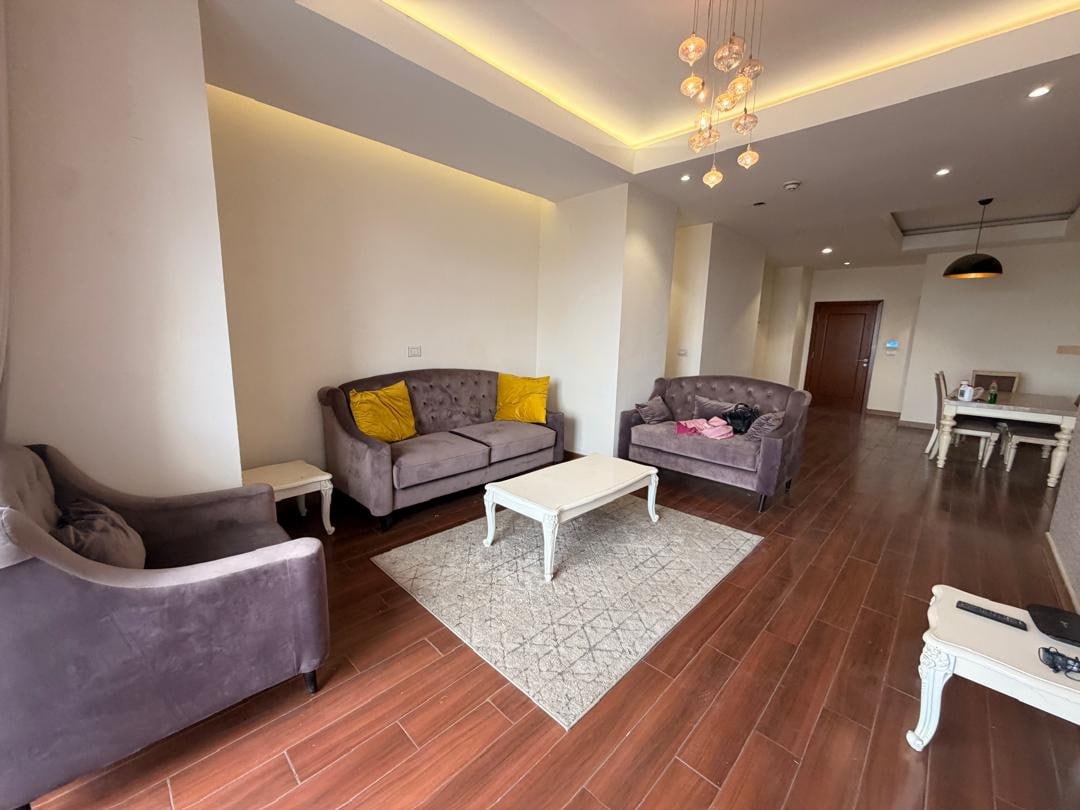
Apartment prices in Addis Ababa vary depending on location, size, building quality, finishing, available amenities and the legal status of the property. Two apartments with the same number of bedrooms can have very different asking prices because one may be located in a more desirable neighborhood, offer a larger floor area, or have better facilities and finishing. For anyone planning to buy an apartment in Addis Ababa in 2026, understanding these differences is essential. Rather than choosing a property based on its asking price alone, buyers should compare similar apartments, assess the features that matter most to them, and consider the full cost of ownership. This guide explains seven important factors that influence apartment prices and how to use them when searching for a property.
1. Location and Neighborhood
Location is one of the most important factors influencing apartment prices in Addis Ababa. Properties in neighborhoods with convenient access to business districts, workplaces, transportation, shopping centers, schools and healthcare facilities may attract stronger demand than comparable properties in less accessible areas. Bole, Kazanchis, Old Airport, Sarbet, CMC, Summit and Ayat are examples of areas buyers may consider when searching for apartments. However, these neighborhoods serve different needs and budgets, and prices can vary considerably within each one.
For example, an apartment in Bole with convenient access to offices, restaurants, hotels and other services may command a higher asking price than a similar-sized apartment in an area farther from those facilities. Within Bole itself, a property on a well-connected road or in a well-maintained residential development may be priced differently from one in a less accessible location. Kazanchis may appeal to buyers who want access to offices and commercial activity, while CMC, Summit and Ayat may be worth considering for buyers comparing residential developments and different price points. When comparing neighborhoods, consider more than the area's name. Look at the property's exact location, road access, transportation options, nearby services and the distance to places you regularly visit. A slightly less expensive apartment may offer better overall value if it reduces your commuting time or other everyday expenses.
2. Apartment Size and Number of Bedrooms
The size of an apartment is another major factor affecting its asking price. In general, a larger apartment costs more than a smaller one because it offers more usable space. However, the relationship between size and price is not always straightforward. A one-bedroom apartment may be suitable for a single person or a couple, while a two-bedroom apartment can provide additional flexibility for a growing household, a home office or guests. Three-bedroom apartments may appeal to larger families or buyers who need more space. However, the number of bedrooms alone does not tell you how much space an apartment provides. Two apartments advertised as two-bedroom units may have different floor areas, room layouts, balcony sizes and storage options. For this reason, buyers should compare the documented floor area alongside the number of bedrooms. Where reliable measurements are available, calculating the price per square meter can help you understand whether one apartment offers better value than another. For example, an apartment with a slightly higher asking price may offer substantially more usable space, a better layout or additional storage. Another property may have a lower total price but smaller rooms and less functional space.The best comparison considers both the total purchase price and how effectively the apartment's space meets your needs.
3. Building Quality, Age and Structural Condition
The condition and quality of the building can significantly influence an apartment's price. Buyers often compare not only the unit itself but also the condition of the wider residential development. A well-maintained building with sound construction, functional shared spaces and reliable maintenance arrangements may be more attractive than a building with visible deterioration or neglected common areas. When viewing an apartment, inspect the walls, ceilings, floors, windows, doors, plumbing and electrical installations. Look for signs of water damage, dampness, cracks that require professional assessment, and repairs that could create additional expenses after purchase. It is also important to examine the building's shared spaces. Staircases, corridors, entrances, elevators where available and parking areas can reveal how well the property is maintained. The age of a building can influence its value, but older apartments are not necessarily worse purchases than newer ones. A well-maintained older apartment in a convenient location may offer better value than a newer property with poor finishing or inadequate maintenance. Similarly, a newly completed building is not automatically a better investment. Buyers should assess construction quality, the functionality of the facilities and the likely costs of maintaining the property over time. For a significant purchase, consider arranging an independent inspection if you have concerns about the building's structural condition.
4. Interior Finishing and Renovation
Interior finishing is another reason apartment prices can differ, even when the units are in the same building.
Some apartments have basic finishing and may require additional work before they are ready for occupation. Others may have upgraded flooring, modern kitchens, fitted wardrobes, finished bathrooms, quality windows and carefully selected materials.
These differences can affect the property's asking price and the amount a buyer needs to spend after purchase.
Consider two apartments with similar floor areas. One may have a completed kitchen, functional bathrooms and good-quality flooring, while the other needs new cabinets, plumbing repairs and substantial renovation. The second apartment may initially appear cheaper, but its total cost could increase once the necessary work is included.
However, expensive finishing does not always mean an apartment is worth its asking price. Buyers should consider the quality, durability and practicality of the materials rather than judging a property by appearance alone.
If you are comparing a finished apartment with an unfinished or partially finished one, estimate the likely renovation costs before deciding which offers better value. Also consider whether the existing finishing matches your preferences or whether you would need to replace it.
The goal is to compare the total investment required to make each apartment suitable for your needs.
5. Building Amenities and Essential Services
Amenities can influence both the asking price and the everyday convenience of an apartment. Depending on the building, relevant features may include parking, elevator access, security arrangements, backup power, water storage, maintained common areas and shared recreational facilities. These features are not equally important to every buyer. Someone who owns a car may place a high value on secure parking, while a household living on an upper floor may prioritize a functional elevator. Buyers who work from home may care more about reliable utilities and a quiet environment. In Addis Ababa, it is particularly useful to ask practical questions about water supply, electricity, building management and the maintenance of shared facilities. Do not assume that a feature advertised in a listing is consistently available or functioning. During a viewing, ask whether the elevator is operational, how the building handles water interruptions, whether parking is included in the purchase and what arrangements exist for maintaining common areas. Also establish whether any recurring service or maintenance fees apply and how those costs are shared among residents. An apartment with more amenities may have a higher asking price or ongoing expenses. Before paying extra for these features, decide whether they provide enough practical value for your household.
6. Floor Level, Views and Apartment Layout
The position of an apartment within a building can also affect its appeal and asking price. Some buyers prefer higher floors because they may offer better views, greater privacy or less street-level noise. Others prefer lower floors because they are easier to access when elevators are unavailable or when they have mobility considerations.
Neither option is automatically superior. The best choice depends on the building, the surrounding environment and the buyer's priorities. Views can also influence value. An apartment overlooking an open area or an attractive cityscape may appeal more to some buyers than one facing a crowded street or another building at close range.
Natural lighting and ventilation matter as well. A well-positioned apartment with good window placement and an efficient layout can feel more comfortable than a similarly sized unit with poorly arranged rooms. Consider the layout carefully when comparing properties. Check whether bedrooms provide sufficient privacy, whether the kitchen and living area function well together, and whether balconies, storage spaces and bathrooms are practical. You should also assess noise levels, exposure to direct sunlight, privacy from neighboring buildings and the accessibility of the unit. Rather than paying more simply for a higher floor or a particular view, evaluate whether the apartment's position genuinely improves your day-to-day living experience.
7. Ownership Documents, Financial Obligations and Transfer Eligibility
A property's legal and financial status is an essential part of the buying decision. Buyers should not focus exclusively on location, appearance and price without establishing whether the property can be transferred lawfully. Before purchasing an apartment in Addis Ababa, verify the seller's ownership and the documents required for the transaction. Confirm whether the property is eligible for transfer and whether there are any restrictions, outstanding loans or other financial obligations that could affect the purchase. For condominium apartments, it is particularly important to understand whether the original housing loan has been fully settled and what requirements apply if a balance remains outstanding. Requirements may differ depending on the property's status and the applicable housing-program rules. Buyers should also clarify any outstanding building charges, maintenance fees or other obligations associated with the unit. A low asking price should not automatically be treated as a bargain if important documents are missing or the transaction involves unresolved financial or legal issues. Similarly, a seller's assurance that everything is in order should not replace independent verification.Before making a substantial payment, confirm the relevant documentation and transfer process with the appropriate authority or a qualified professional. Understanding these details helps you compare properties more accurately and reduces the risk of unexpected problems.
How Can You Tell Whether an Apartment Is Fairly Priced?
Understanding the factors that influence apartment prices is useful, but buyers also need a practical way to compare available properties. Start by identifying apartments that are genuinely comparable. Ideally, they should have similar floor areas, bedroom counts, locations, building conditions and levels of finishing. Next, compare their asking prices. If reliable floor-area measurements are available, calculate the price per square meter by dividing the asking price by the apartment's floor area.
For example, consider two hypothetical apartments:
- Apartment A costs ETB 8 million and has a floor area of 100 square meters.
- Apartment B costs ETB 9 million and has a floor area of 120 square meters.
Apartment A has an asking price of ETB 80,000 per square meter, while Apartment B has an asking price of ETB 75,000 per square meter.
In this illustration, Apartment B has a higher total price but a lower price per square meter. That does not automatically make it the better purchase. Buyers must still consider location, layout, building condition, documentation and other differences between the properties.
The figures are hypothetical examples, not current market quotations for Addis Ababa.
It is also useful to compare several listings rather than relying on a single property. Asking prices are not necessarily the final prices buyers pay, and a property's advertised price may not reflect its current condition or the full cost of ownership.
Finally, estimate additional expenses such as applicable transaction charges, repairs, renovations and ongoing maintenance. This gives you a more realistic picture of what each property will cost.
Is a More Expensive Apartment Always a Better Investment?
No. A higher asking price does not automatically mean an apartment will provide better returns or increase in value more quickly.
A more expensive property may offer a convenient location, a larger floor area, better amenities or higher-quality finishing. However, those advantages need to be considered alongside the purchase price, ongoing expenses and demand for comparable properties. For buyers planning to live in the apartment, value may mean finding a comfortable home in a suitable location without stretching the household budget. For investors planning to rent the property out, the relevant questions include achievable rental income, likely vacancy periods, maintenance costs and demand among prospective tenants. A property with a lower purchase price may provide attractive value if it is in good condition and has strong rental demand. On the other hand, a cheap apartment in a poorly maintained building or an inconvenient location may involve additional costs that reduce its overall appeal. Buyers interested in future resale should also consider the property's documentation, transfer eligibility, building condition and the number of potential buyers for that type of apartment. Instead of assuming that the most expensive property is the best investment, compare the property's actual advantages with the amount you will pay to acquire and maintain it.
Where Can You Find Apartments for Sale in Addis Ababa?
If you are looking for an apartment for sale in Addis Ababa, comparing properties across neighborhoods and price ranges can help you identify options that match your budget and requirements. Live Ethio Real Estate Consulting helps buyers explore available apartments, houses, condominiums and other properties across Addis Ababa. When comparing listings, consider the asking price, location, floor area, number of bedrooms, finishing and available amenities. You can browse our apartments for sale in Addis Ababa to explore available properties and contact our team for further information about listings that interest you. Before making a purchase, arrange a viewing, verify the property's documentation and confirm any additional costs or financial obligations. These steps will help you make a more informed decision based on the property's overall value rather than its asking price alone.
Apartment prices in Addis Ababa differ for several reasons, including location, floor area, building quality, interior finishing, amenities, floor level and legal or financial status. Understanding these factors allows buyers to compare properties more carefully and recognize why two apartments with similar bedroom counts may have different asking prices. The most expensive apartment is not necessarily the best choice, and the cheapest option is not always the best value. Buyers should compare similar properties, evaluate the price per square meter where possible, inspect the building and calculate the full cost of ownership. By looking beyond the asking price and focusing on the features that matter most to your needs, you can make a more confident and informed decision when buying an apartment in Addis Ababa.